

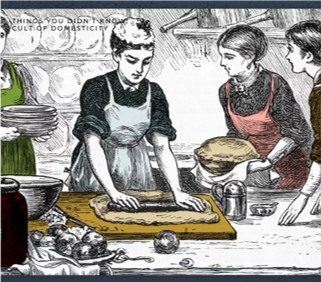
I dated in my twenties and thirties. I even lived with a boyfriend for a year or two. But mostly, I chased graduate school and jobs across the country, remaining single and childless.
Then, at 39, I reconnected with an old friend.
At 40, I became a stepmother.
At 41, I gave birth.
And you know what I learned? Domesticity is weird.
When you’ve spent your entire adult life on your own, you don’t think to tell your partner that you’re going into the next grocery aisle for teabags. You just wander off, leaving them to wonder where the hell you’ve gone.
When you’re writing your dissertation, living on frozen pizza, chocolate, and copious amounts of coffee, you don’t think about fights over the contents of school lunches or whether cheese puffs have nutritional value.
You definitely don’t think about sitting in a rocker at 2 in the morning, baby snorfling and ravenous as he latches onto your breast so forcefully you think he might be extracting viscera via your nipple.
I’m a writer by trade, so—once my c-section wound began knitting itself back together and the baby slept for more than two hours at a time—I returned to the page as a way to make sense of my newly domestic life. Pre-parenthood, I’d written mostly realistic fiction in my first two books, Jaws of Life and The Stone Catchers, but domesticity doesn’t exist in the same realm.
It resides in bleary-eyed 2 a.m. feedings, phone screen reflecting on skin still creased with pillow marks. It dwells in the moment when you startle awake to find a teary eleven-year-old hovering over you, afraid of a bad dream but uncertain how best to get your attention. It lives in moments crouching on the bathroom rug, reading If You Give a Mouse a Cookie while you beg your pre-schooler to please just poop. Domesticity is laughing about my step-daughter telling me she likes my hair because it reminds her of an old dog’s muzzle. And so, I leaned into those moments in my writing.
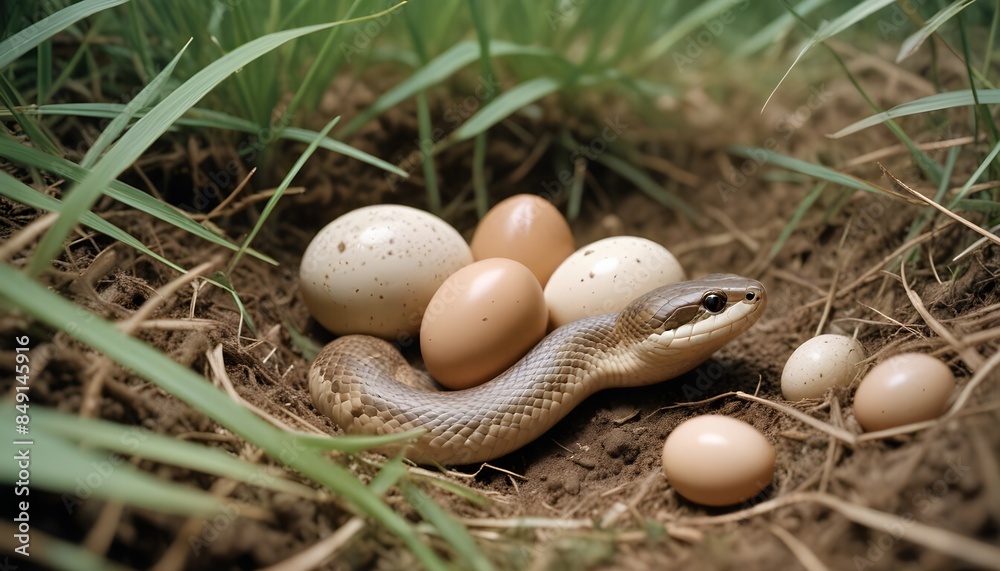
The feeling that my baby was sucking the marrow from my bones? I imagined my son as a snake, his jaw unhinging as he took more and more of me into his mouth. I remembered all I’d been told about giving everything to my baby, so I wrote a story about an infant eating a woman’s breast, then her shoulder, then her entire body, and her only concern was whether he was sated. Dark? Yes. Cathartic? Entirely. “All They Take” was the first of my uncanny domestics. And while the writing helped me vocalize one of the many expectations of motherhood, publishing it made me feel seen.
Friends Claire, Sally, and I gave birth in a two-year cluster. We spent the pandemic walking our kids in their strollers and talking about those late nights spent breastfeeding, when it’s just you and your baby, the rest of the house dark and quiet. On the one hand, those moments are soothing, because it feels like no one exists outside of the two of you. On the other hand, you’re stuck scrolling through perfect lives on Instagram, the phone screen to bright, when nothing about your aching breasts and still-flabby stomach resembles the lives you’re watching.
During my c-section, I told the obstetrician something felt off. Her reply? “That’s probably because I have your uterus outside of your body,” said in a sing-song voice, as though nothing about this sentence should be alarming.
Months later, that sentence still haunting me, I considered how motherhood becomes all-defining. No one asks about your work, your interests, your life. They ask how the baby is, whether they’re teething, when you stopped breast feeding. You transform so thoroughly into mom that who you were before starts to recede. So, I wrote, “Hollow,” about a c-section, but also about the emptying out that happens when you give birth.
Domesticity changed me. It forced me to think about who I am as a woman and a wife and a mother and a writer and a teacher. It made me confront how society views me now. It also gave me permission to say, “Wow. This shit is weird,” and to hear others say, “Yeah, it is.”

Categories: Living, Sister Sirens


