
I recently learned that, as a child of the 1970’s, I was raised free-range. It makes for healthy chickens, and probably healthy humans too. Back then, free-range moms opened their legs and pushed their babies right out the front door. They said, “Don’t come back until the streetlights come on.”
There was a Darwinian wisdom to free-range parenting. Yes, some of us broke bones or got molested by Mr. Twitty, who jept a bottomless bowl of Hershey’s kisses on the coffee table. But we all survived.
And here’s the thing: maybe we didn’t all grow up happy, but we did grow up capable.
Maybe a little too capable.
My role model for a wild female child was Pippi Longstocking. Her mom died in childbirth, and her dad was a pirate lost at sea. She lived with a horse and a monkey in jolly freedom, sowing smart-ass chaos wherever she went.
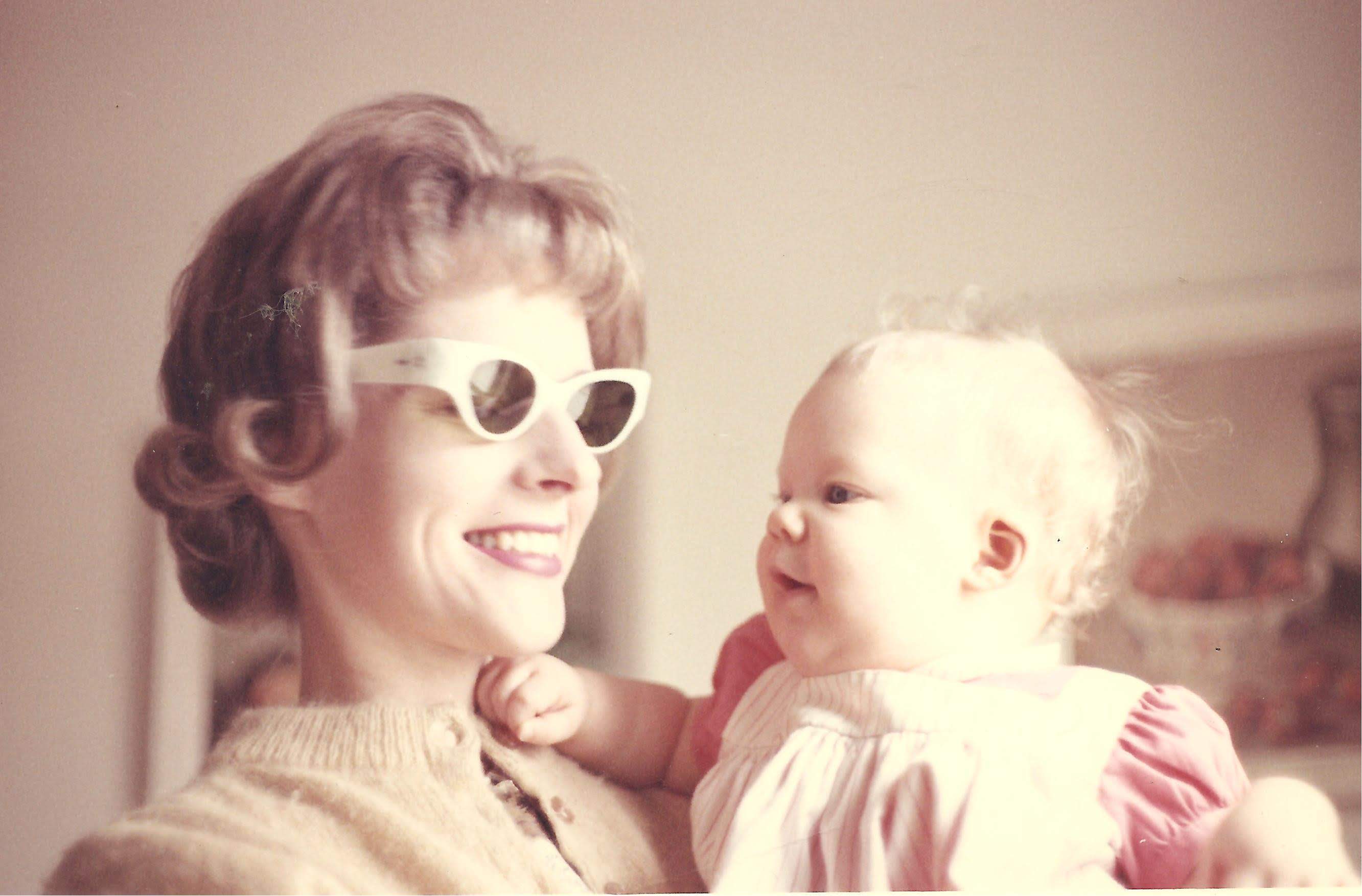
My mother and me, shortly before my release.
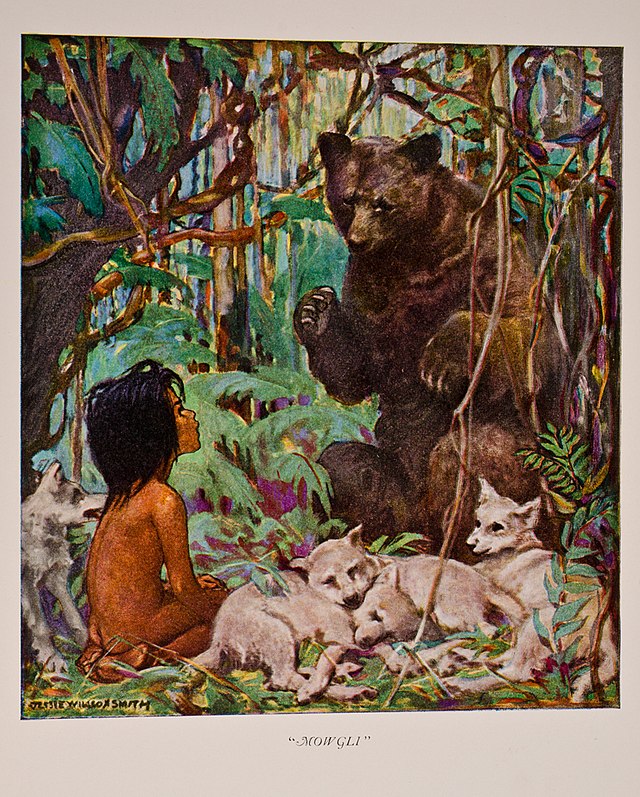
Jungle Book: My ideal family
For me, though, she wasn’t wild enough. She lived in a house and wore a stupid dress. I wanted to be Mowgli, raised by jungle beasts. Or Romulus and Remus, raised by a she-wolf. I did the best I could, but when I started school, my mom made me ditch the loin cloth and wear Gloria Vanderbilt.
And so my domestication began.
In the seventies at the Jersey Shore, parents never worried about their kids because they knew where they were: in the back yard, raising each other.
Nobody ever talked about it, but somehow, we knew the rules of survival in New Jersey. Along with playing Swiss Family Robinson and Tarzan, we ran numbers out of the Courtney’s garage and paid protection money on our paper routes.
Like it or not, Jersey girls of the seventies internalized two truths:
- Women are free and equal to men in every way;Female worth comes from perfect homes and perfect bodies and orchestrating perfect holiday family traditions until you die or trick the next generation into taking over.
If you’re raised semi-feral like Pippi Longstocking, perfection actually isn’t a problem. The two truths are not mutually exclusive—once you survive riding your bicycle up a tree, you can and should do anything you want.
I did not want to be my mother. She worried too much about what people thought. While we kids were outside jockeying to survive our own private Lord of the Flies, she was indoors performing Sisyphean chores with lemon-scented furniture polish and spanking children who left footprints on the carpet she had scored with perfectly even vacuum tracks.
I had bigger and better things to do. You need somebody to drive that semi? Hand me the keys. There’s a kitten stuck on the top of a telephone pole? Hold my Pepsi. I’ll figure it out.
But once I became a mom, however, I became Mary Poppins, practically perfect in every way. I will cook you a six-course birthday dinner whether you want it or not, you sit tight, and no, I don’t need any help. My mascara will not run; my underwire bra will not destroy me.
My mom baked heart-shaped birthday cakes, so my sister and I bake heart-shaped birthday cakes. Our mother relied on Duncan Hines, but I, however, never met a bar or a pastry I couldn’t raise.
When my daughter turned one, I was a perfect vegan, so no dairy or eggs. Although our mom raised us on Pop Tarts, processed sugar, even if fortified with nine essential vitamins and iron, would not cross my child’s lips. The whole wheat cake I sweetened with organic apple sauce grew so heavy, I sprained my wrist stirring the batter.
People said tasted good, though. Really. Nobody broke a tooth, but my husband did pull his rotator cuff carrying it to the table.
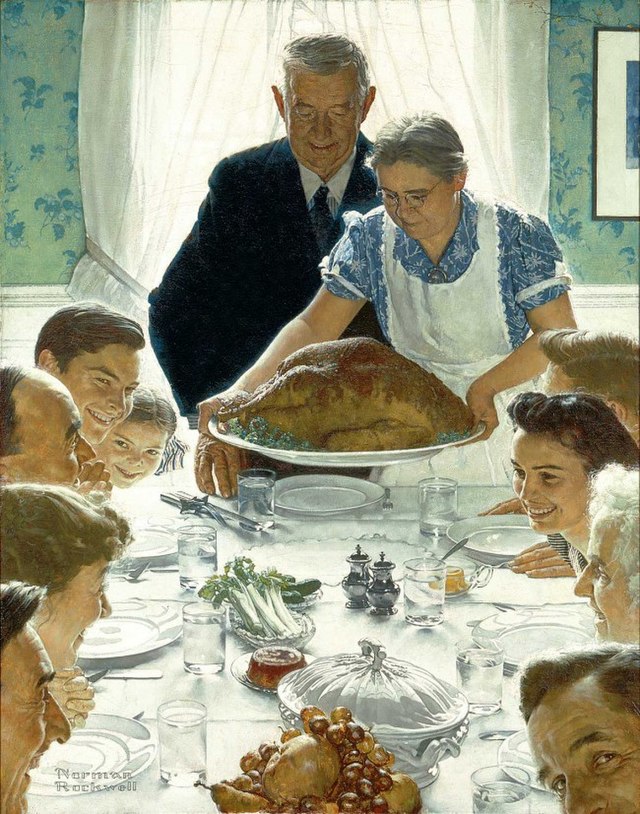
Not pictured: the Xanax prescription and thirty-seven years of therapy
Formerly feral moms are so maniacally competent, they can even outdo their mothers, all without an apron too.
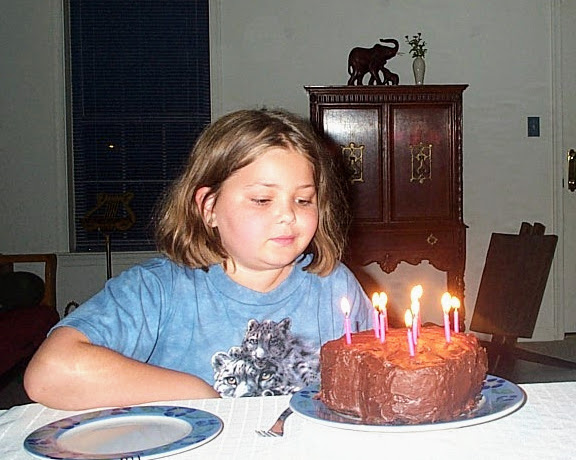
My daughter critiques another heart-shaped birthday cake.
One year I made my daughter a chocolate cake with peanut butter icing from scratch. I didn’t have a recipe for the icing, but if it’s humanly possible, I’ll figure it out. Turned out I didn’t bake a cake, however. I baked a lesson in plate tectonics. At room temperature, the peanut butter icing turned to magma. The top layer began to shift, developed fault lines, and ruptured in a slow-mo reenactment of Pangea and the birth of continents. At least she got an A in Geology that year.
To my mom, a birthday “party” meant inviting one friend over for dinner. But my daughter’s birthday parties? They would be legend! Mobs of kids with costumes for everyone! No pre-fab cliché pin-the-tail games. No, our games would be unforgettable, imaginative, open-ended: the children wouldn’t just watch cartoon characters, they would become cartoon characters: My Little Ponies, Pokemons, Velma, Shaggy, and Scooby-Doo.
With the fiendishness of supervillains, my daughter and I had weeks of fun planning these socially explosive parties. Then, when the genius social experiment was in full swing and eleven children went airborne hyped on Scooby snacks shouting, “Zoinks! Ruh-roh! Looks like we got us a mystery!” I’d stand back, congratulating myself.
Then I’d notice my daughter was missing.
I’d find her hiding in the basement, self-isolating from my inspired chaos.
It took me awhile to figure it out. Just because I’m capable, doesn’t mean I actually can. And even if I can, it doesn’t mean it’s what anyone needs. I reckon maybe Pippi Longstocking wasn’t the best role model for motherhood—but she might make a kinda fun grandma . . .

My mom believed every Rose Girl could be a Clabber Girl
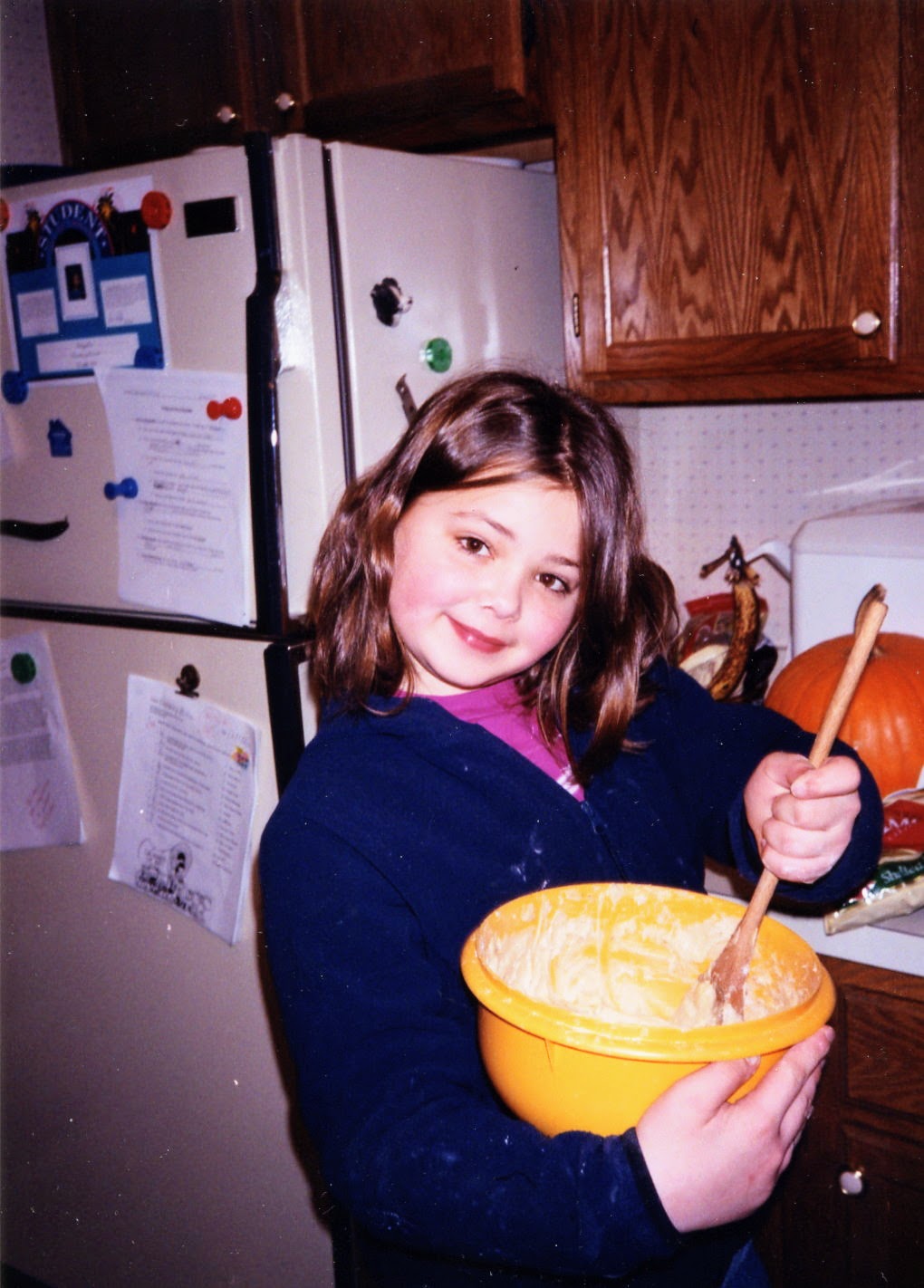
My daughter wielding the wooden spoon of wonder.
Categories: Lisa's Voice, Living


 The Gloria Sirens
Awwwww! Happy Birthday, Lane!
LikeLike